Pre K – Grade 12
MFNEC supports Moosomin students from Pre-K right through Grade 12. Our school is here to help our kids learn, grow, and feel proud of who they are as Moosomin people.
Students follow regular school programming, but learning also includes our Cree language, culture, Treaty 6 history, and Moosomin First Nation history. We want our students to feel supported in the classroom, connected to their identity, and prepared for whatever comes next — high school, post-secondary, training, work, or leadership in the community.
MFNEC works with students, parents, guardians, families, teachers, and support staff to create a school environment where our kids are safe, encouraged, and given the chance to succeed.
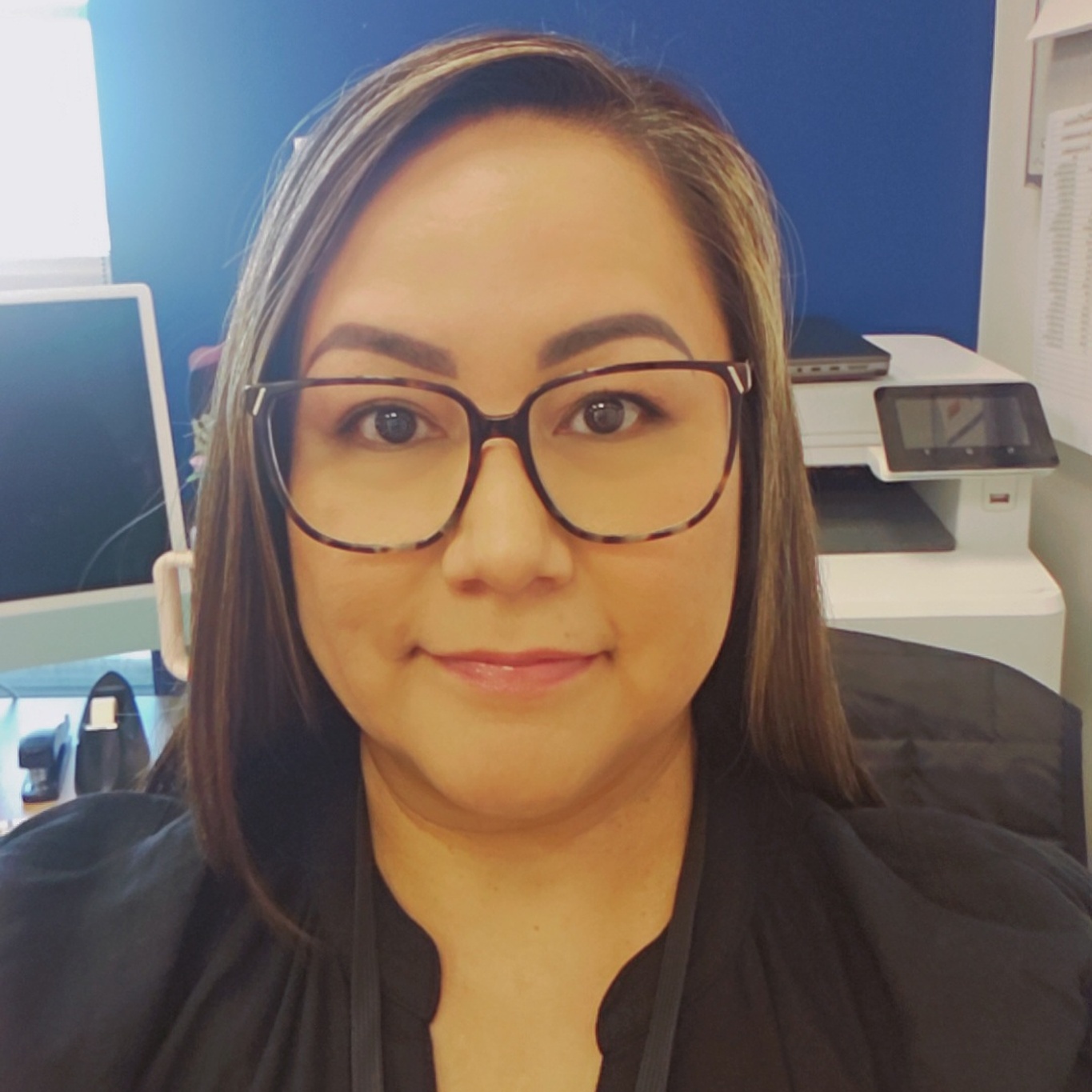
Desiree Benson
Principal
desiree.benson@mfnec.ca
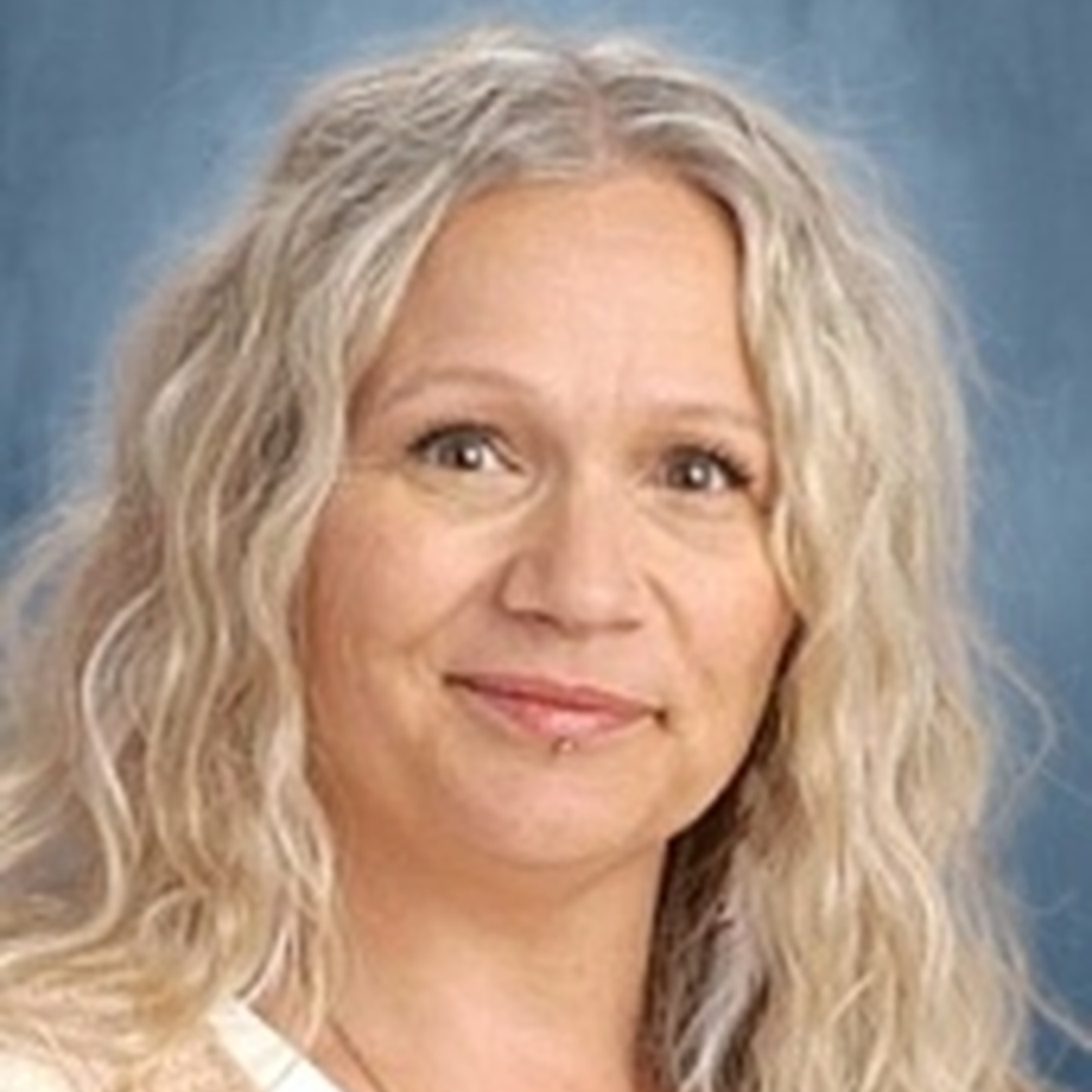
Jill Yahn
Vice Principal
jill.yahn@mfnec.ca
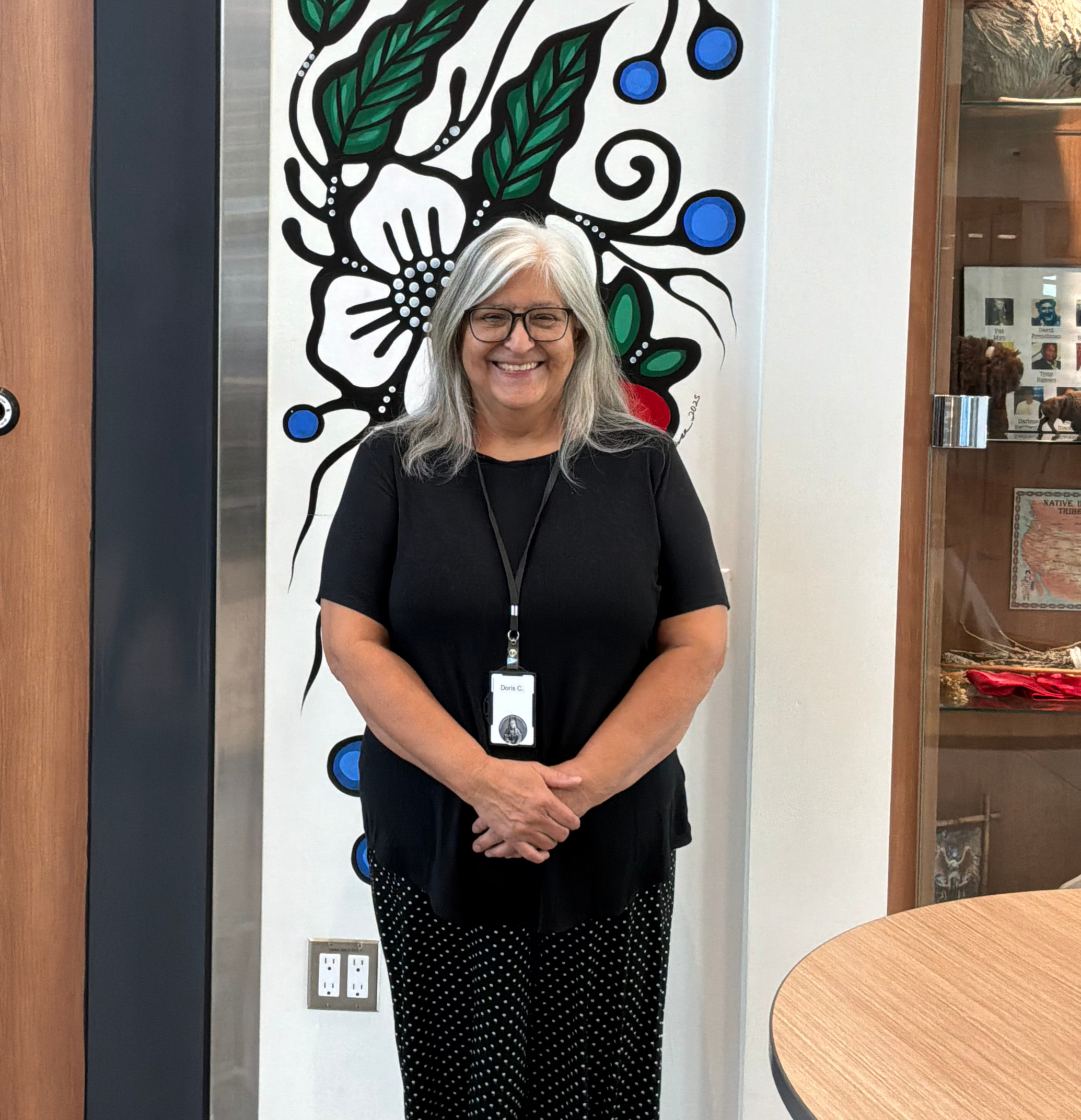
Doris Charette
Vice Principal
doris.charette@mfnec.ca
Registration
Click the links below to download the Registration forms, media release form and Excursion form. All can be emailed to: admin@mfnec.ca
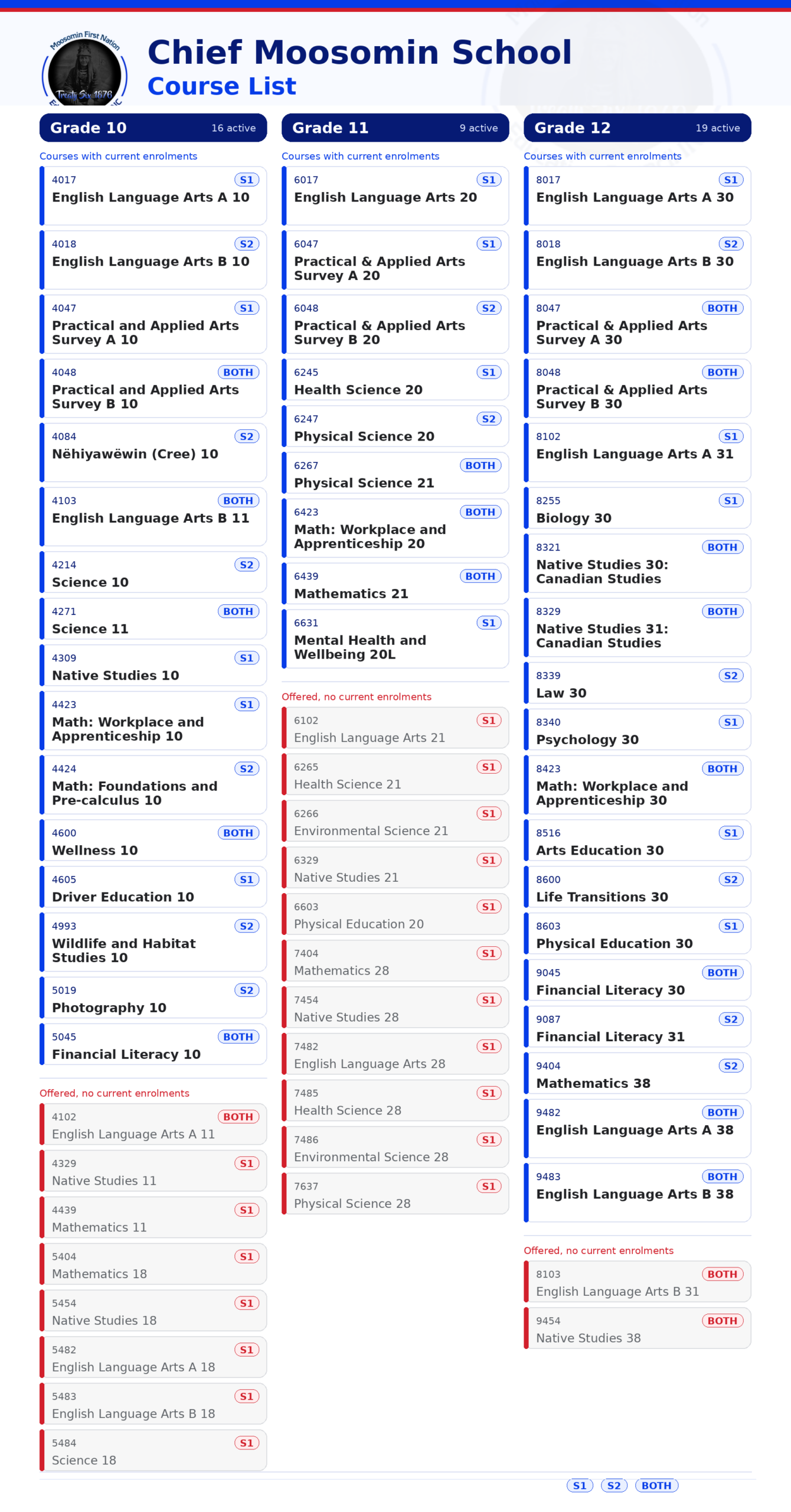
Our Highschool Course List
EDSBY
Our school offers Edsby, a program that allows you to touch base with your child’s teachers and see their progress in school. Monthly updates are also posted on Edsby. If you know your child will be away for the day, Edsby allows you to submit an absence. If your child is behind on assignments or is home sick and wants to catch up, they can receive and submit assignments through Edsby.
To access Edsby, your email needs to be listed on your child’s contact information page. If you would like to add your email for access, please email admin@mfnec.ca or call the school. Our school Edsby link is: EDSBY Link
Learning Resources
As the Learning Resource Teacher (LRT) Coordinator, I work closely with students, families, and teachers to ensure every student has access to learning opportunities that reflect their individual strengths and needs. My goal is to identify and remove barriers to learning so students can build confidence, develop their skills, and experience success throughout their high school journey.
Supports and services may include:
- Supporting students who require modified or alternative programming
- Collaborating with teachers to adapt instruction, assignments, and assessments when needed
- Helping develop and monitor individualized education plans (IEP)
- Providing academic support and learning strategies for students
- Coordinating school-based supports and outside services when appropriate
- Assisting with transitions into high school, between programs, and toward graduation or post-secondary pathways
- Communicating and working collaboratively with families to support student success
- Supporting referrals and coordination for specialized assessments or additional services
Services are flexible and responsive, meaning supports may look different for each student depending on their learning needs and goals. I collaborate with students and families, using classroom insights to guide recommendations and create learning pathways that best support each student’s success.
Modified Program
In modified programming, students take courses alongside their peers, with adjustments in pace, assignments, or assessments to match their individual learning needs. These supports are designed to boost engagement, build confidence, and help students make meaningful progress toward graduation. A student may have one or more modified credits on their transcript and still earn a Grade 12 diploma. Families should be aware that these courses may influence some post-secondary options. Programming decisions are made collaboratively with students and families, guided by the LRT and educational psychologists when appropriate, to ensure the most effective pathway for each learner.
Alternative Programming
Alternative programming is designed for students whose learning needs benefit from individualized goals focused on functional academics and life skills. The goal is to help students build independence, practical literacy and numeracy, communication skills, and abilities for everyday life, work, and community participation. Students follow individualized learning plans tailored to their strengths and needs, with an emphasis on practical skills, social-emotional learning, and independence. Programming is determined collaboratively with students and families, guided by recommendations from the LRT and educational psychologists, to ensure each student’s learning pathway is well supported.